
Winnsboro Historical Museum
100 East Broadway

A town that does not protect its history does not have a future.
Nancy Cook
Historic Sign Message
Nancy Evaline Cook 1825-1885 Husband James A. Cook 1815-1868 Nancy and James Cook came to Winnsborough in 1859, Nancy donated land to the East Line and Red River Railroad in 1878 guaranteeing the community’s future. Churches and downtown businesses were also given free lots. A First Baptist Church charter member, Nancy is remembered for her many philanthropic endeavors.
Want to take a tour of Winnsboro History? Click the button below.
By clicking this button, you will be taken offsite.
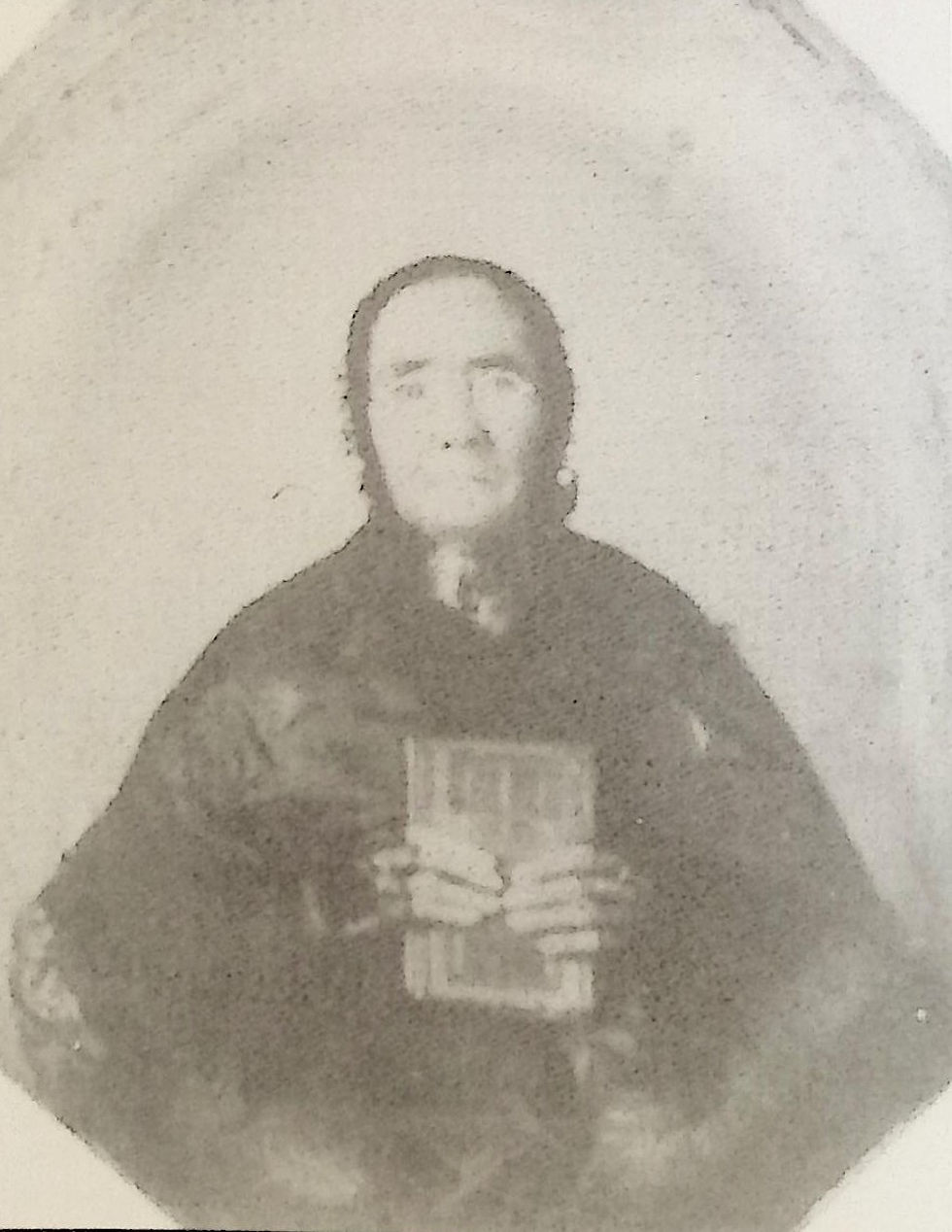
The history of Winnsboro, Texas, is inextricably linked to the life and business acumen of Nancy Evaline Cook, a 19th-century philanthropist and entrepreneur. Nancy and her husband, James Addison Cook, arrived at the settlement then known as Winnsborough in 1859, traveling from Huntsville, Mississippi, and Quitman. At that time, the village was a small frontier crossroads consisting of only six to eight business establishments.
The Cook Tavern and Frontier Life
Upon arrival, the Cooks purchased a 200-acre tract from the W.R. McMillan-John Winn holdings, a property that encompassed most of the town's business district and the crossroads of North Main and Pine Streets. They expanded the existing McMillan residence into a contemporary two-story home featuring four bedrooms, a large parlor, and a covered passageway leading to a detached kitchen.
This kitchen became known as "Cook Tavern," where Nancy served meals to locals and travelers. The tavern became a regular stop for the stagecoach from Jefferson and was noted for its food and intellectual conversations among patrons. At the time, life in the settlement was difficult; most structures were made of logs or rough lumber with dirt floors, and residents faced threats from malaria, poor water quality, and "varmints" like snakes and scorpions. The Cooks also purchased the McGee-Vannoy mercantile store at the southwest corner of the crossroads.
Stewardship Through War and Widowhood
During the Civil War, James and Nancy Cook were considered the primary figures holding the village together. Following James’s death in 1868, Nancy was left to manage the family’s extensive land holdings in Wood and Upshur counties while raising eight children. To ensure the town’s survival and growth, she implemented a strategy of land donation:
She offered free business lots to anyone willing to establish a business in Winnsborough.
She offered land to any religious organization interested in organizing a church.
Her philanthropy was foundational to the town's religious institutions. In 1871, she donated land near the City Cemetery for the first Presbyterian church building. That same year, she deeded one acre at the corner of West Elm and Church streets to the Methodists. In 1872, Nancy was one of 14 charter members who established the Providence Baptist Church, which initially held services at the Cook Tavern.
The Railroad and Economic Transformation
The most critical moment for Winnsboro's future occurred in 1876 when the East Line and Red River Railroad Co. was organized. Fearing the town might fade away without a rail connection, Nancy and her son Joseph traveled to Jefferson to negotiate with the railroad's board of directors.
The resulting agreement allowed Nancy to enter into a limited partnership with the railroad. She conveyed an undivided one-half interest in 100 acres of her land and a 200-foot right-of-way in exchange for the tracks being laid through the town. Critically, she retained the right to choose the location for the depot. This deal transformed the local economy:
Transporting a bale of cotton to Jefferson by ox-wagon, which previously took 8 to 10 days, was reduced to a few hours by rail.
The railroad enabled the harvest and export of the region’s virgin long-leaf yellow pine forests to markets in Dallas.
By 1880, the business district shifted 300 yards south to be near the tracks. As land near the tracks was developed, Nancy and the railroad split the proceeds from the sales.
Final Years and Legacy
In her later years, Nancy turned over her business affairs to her son Joseph but remained active in civic and church projects. By the 1880s, the community had grown to approximately 700 people. Nancy Evaline Cook died in 1885 while visiting her daughter in Weatherford. Her body was returned to Winnsboro and buried in the city cemetery beside her husband.