
Winnsboro Historical Museum
100 East Broadway

A town that does not protect its history does not have a future.
City Park
Historic Sign Message
Opened in 1925 as Reid City Park. Natatorium and tabernacle constructed in 1927. July 4th Old Fiddlers Contest and Wood County Singing Convention drew thousands each year. Tabernacle served as Winnsboro’s first gymnasium. Local and state politicians from 1927-1960 appeared for political rallies. Rodeo arena added in 1961. By 1966 the aged natatorium closed and the tabernacle was replaced by the auditorium in 1967. Jack Cross Agriculture pavilion became a part of the Winnsboro City Park in 1987.
Want to take a tour of Winnsboro History? Click the button below.
By clicking this button, you will be taken offsite.
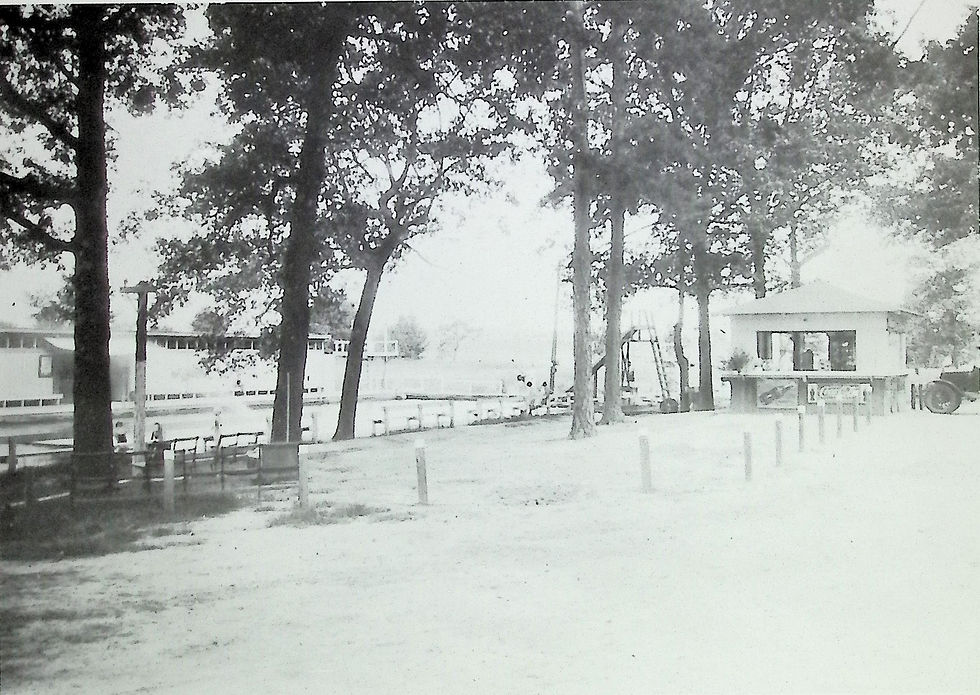
Reid City Park, often referred to simply as the Winnsboro City Park, has served as the primary recreational and cultural hub for the city of Winnsboro, Texas, for nearly a century. Located at 915 Wheeler Drive, the park is not merely a green space but a historical landmark that reflects the city’s transition from a railroad and timber town to a modern community centered on heritage and tourism.
Establishment and Early Development
The history of the park is deeply intertwined with the New Deal era of the 1930s. During the Great Depression, Winnsboro, like much of East Texas, suffered from plummeting cotton prices and a declining population. To stimulate the local economy and provide infrastructure, the federal government initiated various work programs.
One of the most significant contributions to the park’s early infrastructure came from the Civilian Conservation Corps (CCC) and the Works Progress Administration (WPA). A CCC camp (Camp Wood County) was established nearby at 916 North Main Street. Laborers from these programs were instrumental in clearing the land and constructing the original stone structures that still define the park's aesthetic today. The "Old Rock Gym," located on the park's periphery at 599 Newsome Street, stands as a primary example of this native sandstone architecture, which was a hallmark of WPA projects in Texas.
The Role of the Reid Family
The park’s namesake, the Reid family, played a pivotal role in the formalization and expansion of the grounds. Local records and historical signage indicate that the land was donated or facilitated by the Reid family to ensure the citizens of Winnsboro had a permanent location for community gatherings. This donation secured the park's future during a period when the city was transitioning into a "Texas Oil Boomtown" following the discovery of oil in nearby Hawkins (1940) and south of Winnsboro (1943).
Cultural and Social Impact: Autumn Trails
Perhaps the most significant role the park plays in Winnsboro’s history is as the headquarters for the Autumn Trails Festival. Established in 1959, the festival was created to celebrate the fall foliage of the East Texas Piney Woods.
The Trail Rides: For decades, Reid City Park has served as the staging ground for the annual trail rides, which attract thousands of participants and antique tractors.
Community Events: The park hosts the festival’s centerstage events, including arts and crafts shows, livestock exhibitions, and classic car shows.
Economic Hub: These events transformed the park from a local playground into a regional destination, contributing to Winnsboro's eventual designation as a Preserve America Community and a Texas Main Street City.
Key Historical Features
The park is home to several specific sites that are recognized on the Winnsboro Historical Signage Trail:
The Old Rock Gym - Built by the WPA; served as a center for school athletics and community galas for decades.
Civic Center - A later addition that allowed the park to host indoor conventions and the "Autumn Trails" music and theater productions.
Recreational Facilities - Includes the city pool and the "Corral" playground, which have seen multiple generations of Winnsboro residents pass through.
Role in Modern Winnsboro
Today, Reid City Park functions as the "living room" of the community. It sits near the boundary of Wood and Franklin counties, representing the unified identity of the town. It remains the site of the Oil Field Days festival, which commemorates the 1940s boom that saved the town’s economy. By preserving the 1930s-era stonework alongside modern amenities like RV pads and updated pavilions, the park bridges the gap between Winnsboro’s frontier roots and its current status as a cultural arts district.
Through its land, architecture, and annual traditions, Reid City Park remains the physical manifestation of Winnsboro's resilience and community spirit.